Anúncios
Public art transforms ordinary spaces into vibrant canvases that tell stories, spark conversations, and bring people together in ways traditional galleries never could.

From colorful murals adorning once-forgotten walls to interactive sculptures inviting community participation, public art has emerged as a powerful catalyst for urban renewal and social cohesion. Cities worldwide are discovering that strategic placement of artistic installations does more than beautify—it fundamentally reshapes how residents experience and connect with their neighborhoods.
Anúncios
The relationship between art and community development has evolved significantly over recent decades. What began as simple beautification projects has grown into sophisticated strategies for addressing social challenges, economic revitalization, and cultural preservation. Today’s public art initiatives serve multiple purposes simultaneously: they attract tourism, reduce crime, increase property values, and create shared identities that bind diverse populations together.
🎨 The Transformative Power of Street-Level Creativity
Public art operates at the intersection of accessibility and impact. Unlike museum pieces hidden behind admission fees and operating hours, street art exists where people live, work, and move through daily life. This constant presence creates repeated encounters that gradually shift perceptions and forge emotional connections to place.
Anúncios
Research consistently demonstrates that neighborhoods with robust public art programs experience measurable improvements across multiple indicators. Property values tend to increase, foot traffic rises, local businesses report higher revenues, and residents express greater pride in their communities. These aren’t coincidental correlations—they reflect fundamental changes in how people perceive and interact with their environments.
The psychological impact of encountering unexpected beauty in everyday spaces cannot be overstated. A well-executed mural on a morning commute route becomes a daily moment of inspiration. An interactive sculpture in a previously neglected park transforms it into a destination. These artistic interventions interrupt routine experiences and remind residents that their community values creativity, self-expression, and shared cultural experiences.
Breaking Down Barriers Through Shared Experience
One of public art’s most remarkable qualities is its ability to create common ground among diverse populations. In increasingly fragmented societies where people self-segregate by income, ethnicity, politics, and lifestyle, shared public spaces adorned with compelling artwork provide neutral territory for encounter and exchange.
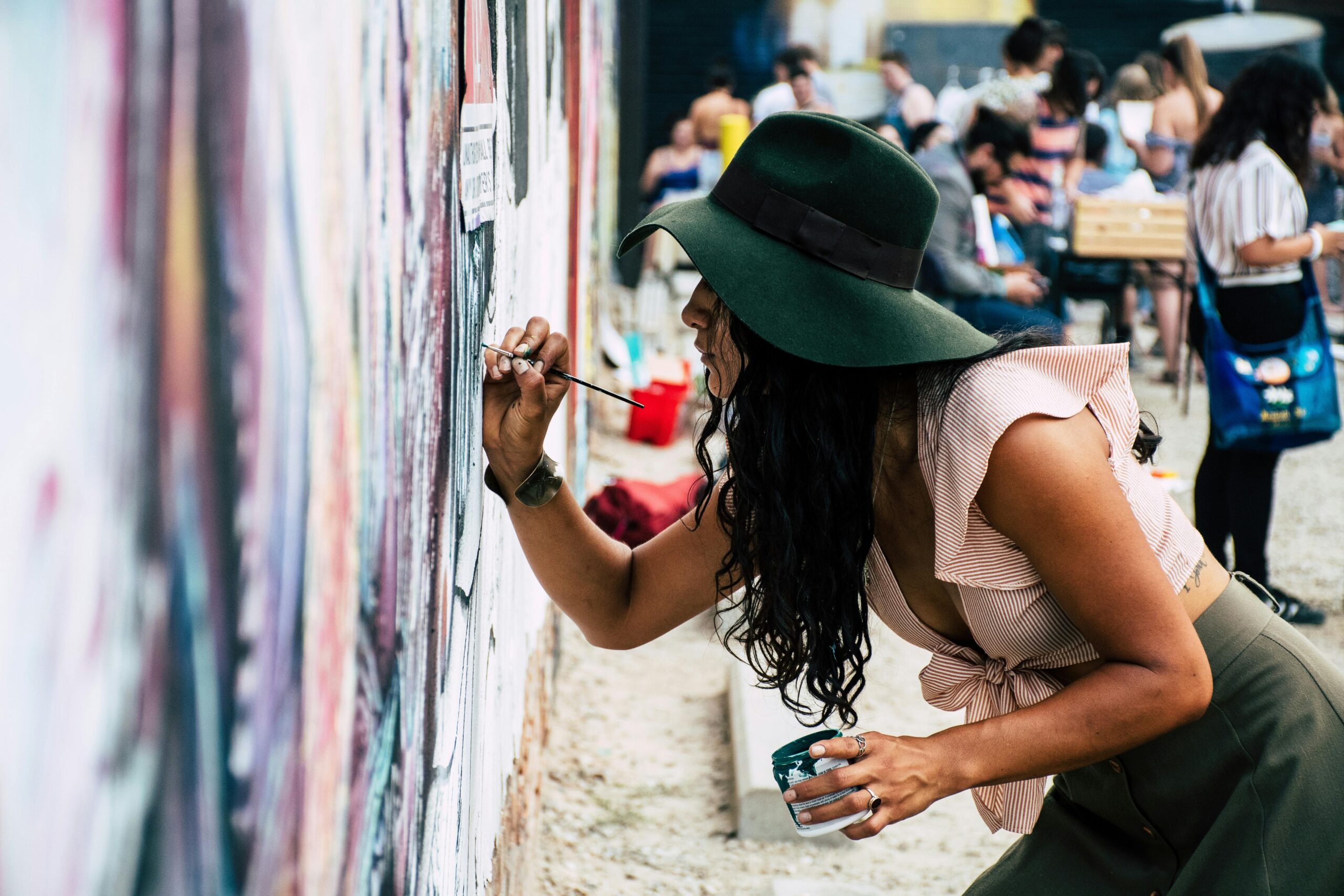
Community mural projects exemplify this bridging function beautifully. When residents from different backgrounds collaborate on designing and executing large-scale artwork, they engage in collective problem-solving, negotiate aesthetic preferences, and literally build something together. These processes create relationships that extend beyond the project itself, establishing networks of trust and communication that strengthen community resilience.
📍 Mapping the Geography of Change
Strategic placement of public art follows specific patterns that maximize community impact. Understanding these geographical considerations helps explain why certain installations succeed while others fail to generate meaningful engagement.
Transit corridors represent prime locations for public art interventions. Commuters passing through these spaces regularly develop familiarity with artworks that mark their daily journeys. Subway stations, bus shelters, and pedestrian underpasses—often dreary utilitarian spaces—become opportunities for transformation when treated as canvases rather than infrastructure.
Neighborhood gateways serve another crucial function. Distinctive artistic installations that mark entry points into communities create strong sense-of-place associations. These visual markers communicate identity, signal investment in the area, and establish expectations about the kind of environment one is entering.
Activating Forgotten Spaces
Perhaps most dramatically, public art breathes life into abandoned or underutilized urban spaces. Vacant lots, blank walls, empty storefronts, and neglected parks often signal disinvestment and decay. Transforming these spaces through artistic intervention sends powerful messages about community vitality and future potential.
The phenomenon extends beyond aesthetics. Criminal activity and antisocial behavior tend to decrease in areas featuring prominent public art. The “broken windows” theory in reverse—when spaces clearly demonstrate care and attention, people respond by treating them more respectfully. Murals reduce graffiti tagging, sculptures in parks deter illegal dumping, and well-lit artistic installations improve perceived safety during evening hours.
💡 Economic Ripples from Creative Investment
While the social and cultural benefits of public art receive considerable attention, the economic impacts deserve equal recognition. Public art functions as infrastructure investment that generates returns through multiple channels simultaneously.
Tourism represents the most obvious economic benefit. Instagram-worthy murals and distinctive sculptures draw visitors specifically seeking these artistic experiences. Cities like Philadelphia, Miami, and Melbourne have successfully branded themselves as street art destinations, attracting cultural tourists who spend money on accommodations, dining, shopping, and entertainment while visiting to experience public artworks.
Local economic multipliers prove equally significant. When a neighborhood becomes known for its artistic character, small businesses benefit from increased foot traffic. Coffee shops, boutiques, restaurants, and galleries cluster around successful public art installations, creating vibrant commercial districts that draw residents from across the city.
Property Value Appreciation and Development Pressure
The relationship between public art and property values presents both opportunities and challenges. Studies consistently show that proximity to quality public art correlates with real estate appreciation. Homebuyers pay premiums for properties in neighborhoods with distinctive artistic character and cultural amenities.
However, this appreciation raises legitimate concerns about gentrification and displacement. When public art contributes to neighborhood transformation, longtime residents—particularly renters and those with fixed incomes—may find themselves priced out of communities they helped build. Responsible public art initiatives must address these equity considerations proactively, ensuring that beautification doesn’t become a tool of displacement.
🤝 Community Engagement: From Spectators to Creators
The most impactful public art initiatives embrace participatory approaches that position community members as co-creators rather than passive audiences. This shift from top-down installation to collaborative creation fundamentally changes the relationship between art and community.
Community design charettes bring residents together to envision what artwork could express their neighborhood’s identity, history, and aspirations. These facilitated sessions surface diverse perspectives, build consensus around shared values, and ensure that resulting artworks reflect authentic community voices rather than imposed external visions.
Youth engagement programs deserve particular attention. Teaching young people artistic skills while involving them in creating permanent public installations delivers multiple benefits: skill development, positive identity formation, constructive outlets for creative energy, and ownership over community spaces. Murals painted by local youth carry special meaning—they represent investment in the community’s future while providing tangible evidence that young voices matter.
Digital Tools Expanding Participation
Technology has dramatically expanded possibilities for community involvement in public art creation. Digital platforms allow broader participation in design voting, virtual reality previews help communities visualize proposed installations, and social media campaigns build anticipation and engagement around new projects.
Augmented reality applications add fascinating new dimensions to public art experiences. Physical installations can trigger digital overlays that provide historical context, artist statements, interactive elements, or multi-layered storytelling. These hybrid experiences appeal particularly to younger audiences while extending artistic possibilities beyond what physical materials alone can achieve.
🌍 Cultural Preservation Through Creative Expression
Public art serves vital functions in preserving and celebrating cultural heritage, particularly for communities whose histories have been marginalized or erased from dominant narratives. Murals depicting historical figures, sculptures honoring cultural traditions, and installations referencing indigenous practices reclaim public space for storytelling that challenges official histories.
Indigenous communities worldwide have embraced public art as a mechanism for cultural revitalization and education. Traditional designs, creation stories, and symbolic imagery translated into large-scale public installations assert ongoing presence and continuity. These artworks educate broader populations while affirming cultural identity for community members, particularly youth seeking connections to heritage.
Immigrant communities similarly utilize public art to claim space and visibility in adopted homelands. Murals featuring cultural icons, text in heritage languages, and imagery referencing countries of origin transform anonymous urban landscapes into culturally marked territories that communicate belonging and contribution.
Memory Work and Collective Healing
Memorial artworks in public spaces facilitate collective processing of trauma, loss, and historical injustice. Unlike abstract monuments, contemporary memorial art often invites interaction and participation, creating opportunities for ongoing engagement rather than static commemoration.
Communities recovering from violence, natural disasters, or economic collapse frequently turn to collaborative art-making as a healing practice. Creating beauty together amid destruction affirms resilience and shared humanity. The resulting artworks mark survival and transformation while honoring what was lost.
⚡ Navigating Challenges and Controversies
Public art’s visibility and accessibility inevitably generate tensions and disagreements. Unlike gallery art viewed by self-selected audiences, public installations occupy shared space where diverse aesthetic preferences, political viewpoints, and cultural values collide.
Censorship debates arise regularly around provocative or politically charged public artworks. Who decides what’s appropriate for public display? How should communities balance artistic freedom with sensitivities around controversial subjects? These questions lack simple answers but require ongoing negotiation and dialogue.
Maintenance and longevity present practical challenges. Weather, vandalism, and normal wear degrade artworks over time. Communities must consider lifecycle costs and develop plans for ongoing care, restoration, or eventual removal. Temporary installations avoid some maintenance issues while creating different challenges around documentation and loss.
Balancing Professional Artists and Community Voice
Tension sometimes emerges between professional artistic standards and authentic community expression. While trained artists bring technical skills and aesthetic sophistication, community members possess lived experience and cultural knowledge. The most successful projects find synergistic approaches that honor both professional expertise and community wisdom.
Questions about artist compensation also require attention. Professional artists deserve fair payment for their labor and expertise. However, limited budgets often force difficult choices between paying artists adequately and creating multiple smaller projects that engage more community members. Progressive funding models explore hybrid approaches that value both professional contribution and community participation.
🚀 Future Trajectories: Innovation and Evolution
Public art continues evolving rapidly as new technologies, materials, and approaches expand creative possibilities. Digital projection mapping transforms buildings into dynamic canvases. Solar-powered kinetic sculptures respond to environmental conditions. Interactive installations invite digital participation through smartphones and sensors.
Climate consciousness increasingly influences public art practice. Artists incorporate sustainable materials, address environmental themes, and design installations that actively improve ecological conditions through features like air-purifying surfaces, pollinator habitats, or stormwater management.
Temporary and tactical interventions gain popularity alongside permanent monuments. Pop-up installations, guerrilla art actions, and ephemeral projects create buzz and experimentation without requiring long-term commitments. These lighter-touch approaches allow more risk-taking and responsiveness to current concerns.
Building Connections That Last Beyond the Paint
The ultimate measure of public art’s success extends far beyond aesthetic considerations. Does it spark conversations among strangers? Does it change how people experience daily routines? Does it strengthen community identity and pride? Does it create opportunities for participation and ownership?
When public art succeeds on these deeper levels, it becomes infrastructure for community connection—as essential as parks, libraries, and community centers. It transforms anonymous urban environments into places with personality, meaning, and stories. It reminds residents that beauty, creativity, and self-expression belong in everyday life, not just in specialized cultural venues.
Communities investing in public art aren’t simply decorating streets. They’re making statements about values and priorities. They’re creating conditions for encounter and exchange. They’re building shared culture that connects diverse individuals into something larger than themselves. They’re demonstrating that public space belongs to everyone and should reflect the fullness of community creativity and vision.
The walls, parks, plazas, and forgotten corners transformed by artistic vision become gathering places, landmarks, sources of pride, and catalysts for ongoing community development. Each brushstroke, each sculptural form, each collaborative creation adds another thread to the fabric binding neighbors together and declaring that this place matters, these stories deserve telling, and this community values beauty, connection, and shared experience.
