
Anúncios
The construction industry is undergoing a profound transformation as carbon-neutral technologies reshape how we build, renovate, and design structures for a sustainable tomorrow.

🌍 Why Carbon-Neutral Construction Matters Now More Than Ever
The built environment accounts for approximately 39% of global carbon emissions, making it one of the largest contributors to climate change. As cities expand and infrastructure demands grow, the construction sector faces unprecedented pressure to reduce its environmental footprint. Traditional building methods release massive amounts of greenhouse gases through material production, transportation, and construction processes.
Anúncios
Carbon-neutral construction represents a paradigm shift in how we approach building design and execution. This approach aims to balance the carbon emissions produced during construction with carbon removal or offset strategies, ultimately achieving net-zero emissions. The urgency has intensified as governments worldwide implement stricter building codes and environmental regulations, pushing the industry toward innovation and sustainability.
Forward-thinking developers, architects, and construction companies are now prioritizing carbon-neutral technologies not just for environmental compliance, but as a competitive advantage. These innovations offer long-term cost savings, enhanced building performance, and alignment with growing consumer demand for sustainable living spaces.
Anúncios
Revolutionary Materials Transforming Modern Building Practices
Cross-Laminated Timber: Wood’s Carbon-Sequestering Comeback
Cross-laminated timber (CLT) has emerged as a game-changing material that stores carbon rather than emitting it. This engineered wood product consists of multiple layers of lumber boards stacked crosswise and glued together, creating panels with remarkable strength comparable to concrete and steel. Each cubic meter of CLT stores approximately one ton of carbon dioxide throughout the building’s lifetime.
Major construction projects across Europe, North America, and Asia are now incorporating CLT for structural frameworks. The material’s prefabricated nature reduces on-site construction time by up to 25%, minimizing disruption and lowering labor costs. Additionally, CLT buildings demonstrate excellent thermal insulation properties, reducing long-term energy consumption for heating and cooling.
Carbon-Absorbing Concrete: Turning Buildings Into Carbon Sinks
Traditional concrete production contributes roughly 8% of global CO2 emissions, making it one of the most carbon-intensive materials. Revolutionary carbon-absorbing concrete formulations are changing this narrative by incorporating recycled materials and carbon-capture technologies directly into the mixing process.
CarbonCure Technologies has pioneered a process that injects captured CO2 into concrete during mixing, where it mineralizes and becomes permanently embedded. This approach reduces the concrete’s carbon footprint by up to 20% while actually improving its compressive strength. Other innovations include concrete made from industrial waste products like fly ash and slag, significantly reducing the need for carbon-intensive Portland cement.
Hempcrete and Bio-Based Insulation Materials
Hempcrete combines hemp fibers with lime-based binders to create a lightweight, carbon-negative building material. Hemp plants absorb CO2 as they grow, and this carbon remains locked within the hempcrete walls for decades. The material offers excellent thermal regulation, moisture management, and pest resistance without toxic chemicals.
Bio-based insulation materials derived from mycelium, sheep’s wool, cork, and recycled denim are replacing petroleum-based foam insulation. These alternatives provide comparable or superior insulation values while sequestering carbon and decomposing safely at end-of-life.
⚡ Energy-Positive Building Systems and Technologies
Integrated Photovoltaic Building Materials
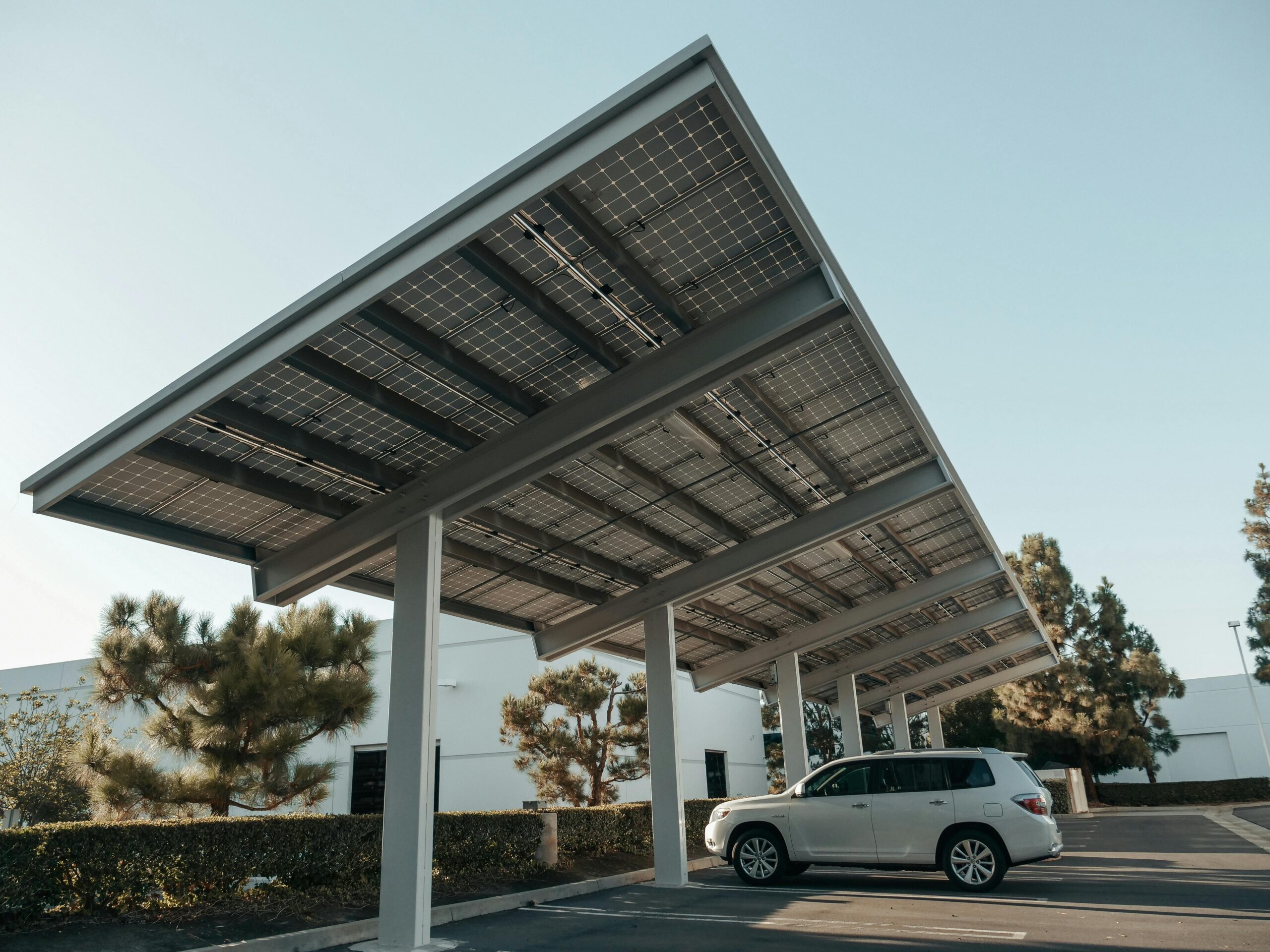
Building-integrated photovoltaics (BIPV) represent the next evolution in solar energy, seamlessly incorporating solar cells into building materials themselves. Solar roof tiles, transparent solar windows, and photovoltaic facades transform entire building envelopes into energy-generation systems without compromising aesthetics.
Recent advancements in perovskite solar cells have increased efficiency rates while reducing production costs. These lightweight, flexible panels can be integrated into virtually any building surface, enabling architects to design energy-positive structures that generate more electricity than they consume annually.
Advanced Heat Pump Systems and Geothermal Integration
Modern heat pump technology has achieved remarkable efficiency improvements, with coefficient of performance (COP) ratings exceeding 4.0. Ground-source heat pumps tap into stable underground temperatures to provide heating and cooling with minimal electricity consumption, reducing HVAC-related emissions by up to 70% compared to conventional systems.
District-scale geothermal networks are being deployed in urban environments, sharing heating and cooling resources across multiple buildings. These systems maximize efficiency through diversity of demand, ensuring that excess heat from one building can offset cooling needs in another.
Smart Building Management and AI Optimization
Artificial intelligence and Internet of Things (IoT) sensors are revolutionizing how buildings consume energy. Smart building management systems continuously monitor occupancy, weather patterns, and energy prices to optimize HVAC, lighting, and equipment operation in real-time. Machine learning algorithms identify inefficiencies and automatically adjust settings to minimize energy waste.
Predictive maintenance capabilities detect equipment issues before failures occur, extending system lifespans and preventing emergency energy consumption spikes. These intelligent systems can reduce building energy consumption by 20-30% without any hardware changes.
🏗️ Carbon-Neutral Construction Methodologies and Processes
Modular and Prefabricated Construction Approaches
Off-site construction in controlled factory environments dramatically reduces material waste, transportation emissions, and construction timelines. Modular building components are manufactured with precision machinery, achieving material efficiency rates above 90% compared to 60-70% for traditional on-site construction.
Factory production enables better quality control, weather-independent construction schedules, and safer working conditions. Transportation emissions from delivering finished modules are typically offset by reduced site duration, fewer worker commutes, and elimination of multiple material deliveries.
3D Printing and Additive Manufacturing in Construction
Large-scale 3D printing technology is transforming construction by depositing material only where structurally necessary, eliminating waste entirely. These systems use sustainable concrete mixtures, recycled plastics, and earth-based materials to create complex geometries impossible with traditional methods.
Construction 3D printing reduces material consumption by up to 60% while cutting construction time in half. The technology enables rapid deployment of affordable housing in disaster relief scenarios and remote locations where traditional construction logistics are challenging.
Deconstruction Over Demolition: Circular Economy Principles
Carbon-neutral construction extends beyond new builds to encompass end-of-life planning. Designing for disassembly allows building components to be carefully removed, refurbished, and reused rather than demolished and landfilled. This circular approach prevents embodied carbon in materials from being wasted.
Material passports and digital building twins document every component’s specifications, location, and condition, facilitating future reuse. Mechanical connections replace adhesives and welds, enabling non-destructive disassembly. This methodology can reduce renovation and demolition carbon emissions by 75% or more.
Innovative Carbon Offset and Sequestration Strategies
Living Walls and Green Infrastructure Integration
Biophilic design elements like living walls, green roofs, and integrated urban forestry systems actively sequester carbon while improving building performance. Green roofs reduce stormwater runoff by 60-80%, lower ambient temperatures through evapotranspiration, and extend roof membrane lifespans by protecting from UV degradation.
Living wall systems can remove over 10 kilograms of CO2 annually per square meter while filtering air pollutants and improving indoor air quality. These installations create biodiversity habitats in urban environments and reduce the urban heat island effect that increases cooling demands.
Biochar and Soil Carbon Enhancement
Incorporating biochar into landscaping and site preparation sequesters carbon in stable forms that persist for centuries. Biochar is produced by heating biomass waste in oxygen-limited environments, creating a porous charcoal that improves soil health while locking away carbon that would otherwise decompose.
Construction sites can utilize biochar-amended soils to enhance vegetation establishment, reduce irrigation needs, and contribute to project-level carbon accounting. Each ton of biochar sequesters approximately 3.3 tons of CO2-equivalent emissions.
💡 Economic and Policy Drivers Accelerating Adoption
Financial Incentives and Green Building Certifications
Government incentives, tax credits, and accelerated depreciation schedules make carbon-neutral construction economically attractive. Programs like the US Investment Tax Credit for solar installations and European Union’s renovation wave initiative provide substantial financial support for sustainable building practices.
Green building certifications such as LEED, BREEAM, and Living Building Challenge create market differentiation and often command premium rental rates and property values. Studies show certified green buildings achieve 7% higher rental income and 10% higher sale prices compared to conventional buildings.
Carbon Pricing and Regulatory Frameworks
Expanding carbon pricing mechanisms and embodied carbon regulations are reshaping construction economics. Cities like New York, London, and Vancouver have implemented building performance standards with significant penalties for exceeding carbon intensity thresholds.
Whole-life carbon assessments are becoming mandatory for major projects, requiring developers to account for embodied carbon in materials, operational carbon over building lifespans, and end-of-life carbon impacts. This regulatory shift incentivizes carbon-neutral technologies that minimize total lifecycle emissions.
🌱 Real-World Success Stories and Implementation Examples
Powerhouse Telemark: World’s Northernmost Energy-Positive Building
Located in Norway, this seven-story office building generates more than twice the energy it consumes annually, even in the arctic climate. The structure features a distinctive sloped roof optimized for solar panel positioning, ultra-efficient building envelope, and seawater-based cooling system.
The project demonstrates that energy-positive design is achievable even in challenging climates through integrated system design. Over its 60-year operational life, Powerhouse Telemark will generate enough surplus clean energy to offset the carbon emissions from its construction materials.
Bullitt Center: Seattle’s Living Building Challenge Pioneer
This six-story commercial office building operates completely off-grid for energy and water, meeting the stringent Living Building Challenge requirements. Composting toilets, rainwater harvesting, and a 575-panel solar array enable net-positive resource performance.
The building’s radical transparency includes real-time energy and water dashboards visible to occupants and the public, fostering awareness and behavioral changes that further reduce consumption. After a decade of operation, the Bullitt Center has proven the commercial viability of ultra-sustainable construction.
Emerging Technologies on the Horizon
Self-Healing Concrete and Adaptive Materials
Researchers are developing concrete embedded with bacteria that activate when cracks form, producing limestone to automatically seal damage. This bio-concrete extends structural lifespans by decades, reducing the need for carbon-intensive repairs and replacements.
Phase-change materials integrated into building envelopes absorb and release thermal energy, passively regulating interior temperatures. These adaptive materials reduce HVAC loads by storing excess heat during warm periods and releasing it when temperatures drop.
Carbon-Negative Manufacturing Processes
Breakthrough manufacturing technologies are enabling carbon-negative production of traditional materials. Direct air capture systems integrated with manufacturing facilities remove CO2 from the atmosphere and convert it into building materials, synthetic aggregates, and carbon-fiber composites.
These processes transform construction materials from carbon sources into carbon sinks, fundamentally inverting the industry’s environmental impact. Early commercial applications are already underway, with costs declining rapidly as technologies scale.
🔧 Practical Steps for Implementing Carbon-Neutral Construction
Transitioning to carbon-neutral construction requires strategic planning and phased implementation. Begin with comprehensive lifecycle carbon assessments to identify the highest-impact opportunities within specific project contexts. Prioritize interventions that address embodied carbon in materials, as operational carbon can be addressed through renewable energy procurement.
Engage multidisciplinary teams early in design phases to integrate carbon-neutral technologies holistically rather than as afterthoughts. Architects, engineers, contractors, and material suppliers must collaborate to optimize system interactions and avoid suboptimal component-level decisions that compromise overall performance.
Establish clear carbon budgets alongside financial budgets, tracking emissions throughout design development and construction. Digital tools and building information modeling (BIM) platforms now include carbon accounting features that enable real-time decision-making based on emissions impacts.
Invest in workforce training and upskilling to ensure construction teams understand new materials, technologies, and methodologies. The transition to carbon-neutral construction creates opportunities for specialized trades and technical expertise that will define the industry’s future.
Overcoming Barriers and Addressing Common Challenges
Despite remarkable technological progress, several barriers slow widespread adoption of carbon-neutral construction. Initial cost premiums for sustainable materials and systems can deter budget-conscious developers, though lifecycle cost analyses consistently demonstrate long-term savings through reduced operational expenses and extended asset lifespans.
Supply chain limitations for innovative materials create procurement challenges, particularly for large-scale projects requiring substantial volumes. As demand increases and manufacturing scales, these constraints are gradually resolving, with lead times and availability improving annually.
Risk-averse project stakeholders may hesitate to adopt unproven technologies, preferring traditional approaches with established track records. Demonstration projects, performance guarantees, and insurance products specifically designed for green building technologies help mitigate these concerns.
Regulatory frameworks often lag behind technological capabilities, creating uncertainty about compliance pathways for innovative approaches. Industry advocacy and collaboration with policymakers can accelerate code updates that explicitly enable carbon-neutral construction methods.
🌟 The Path Forward: Scaling Carbon-Neutral Construction Globally
Achieving widespread carbon-neutral construction requires coordinated action across the entire value chain. Material manufacturers must continue innovating lower-carbon alternatives while scaling production to meet growing demand. Industry standards and certification systems need updating to recognize and incentivize whole-life carbon performance rather than focusing exclusively on operational efficiency.
Education and professional development programs must incorporate carbon literacy throughout architecture, engineering, and construction curricula. The next generation of built environment professionals should consider carbon implications as instinctively as they currently consider structural integrity and building codes.
International collaboration and knowledge sharing can accelerate technology transfer and adaptation across different climate zones and economic contexts. Solutions developed for cold climates may require modification for tropical regions, but underlying principles and technologies remain applicable with appropriate localization.
The construction industry stands at a pivotal moment where technological capability, economic incentives, and regulatory pressures align to enable transformative change. Carbon-neutral construction is no longer an aspirational concept but an achievable standard that forward-thinking organizations are implementing today. As these technologies mature and costs decline, carbon-neutral buildings will transition from premium differentiators to baseline expectations, fundamentally reshaping our built environment for generations to come.
The innovations explored throughout this article demonstrate that building a greener future is not only environmentally imperative but also economically sound and technically feasible. By embracing carbon-neutral technologies and methodologies, the construction industry can transform from a major emissions source into a powerful climate solution, creating healthier, more resilient, and truly sustainable communities worldwide.
