Anúncios
Cities worldwide are transforming concrete jungles into living ecosystems through innovative green infrastructure, creating healthier urban environments for millions of residents.

🌿 The Green Revolution Transforming Urban Landscapes
The concrete sprawl of modern cities has long been associated with heat islands, air pollution, and disconnection from nature. However, a remarkable shift is occurring in urban planning and architecture. Green roofs and vertical forests are no longer experimental concepts but proven solutions reshaping how we design and experience cities. These living structures represent a fundamental rethinking of urban development, where buildings become active participants in environmental restoration rather than obstacles to it.
Anúncios
The concept of integrating vegetation into building design dates back centuries, from the Hanging Gardens of Babylon to European roof gardens. Yet today’s green infrastructure operates at an unprecedented scale and sophistication. Modern technology, advanced horticultural knowledge, and urgent environmental needs have converged to make vegetated buildings a practical reality for cities facing climate challenges.
Understanding Green Roofs: More Than Just Rooftop Gardens
Green roofs consist of multiple layers of engineered systems that support plant growth while protecting the building structure beneath. These installations range from extensive systems with shallow soil and hardy plants to intensive designs supporting trees and recreational spaces. The distinction is crucial for understanding their varied applications and benefits.
Anúncios
Extensive green roofs typically feature 2-6 inches of growing medium and low-maintenance vegetation like sedums and grasses. They require minimal irrigation and maintenance, making them ideal for large commercial buildings and residential developments. Intensive green roofs, conversely, incorporate deeper soil layers that can support diverse plant species, creating accessible parks and gardens in the sky.
The Technical Foundation of Living Roofs
Successful green roof implementation requires careful attention to several critical layers. The waterproofing membrane forms the first line of defense, protecting the building from moisture infiltration. Above this sits a root barrier preventing plant roots from compromising the waterproofing. Drainage layers ensure excess water flows away efficiently, while filter fabrics prevent soil particles from clogging drainage systems.
The growing medium itself represents years of research and development. Unlike traditional garden soil, green roof substrates must remain lightweight while retaining sufficient moisture and nutrients. Engineers have developed specialized blends incorporating expanded shale, pumice, and organic matter that meet these demanding requirements.
🏢 Vertical Forests: Skyscrapers as Living Ecosystems
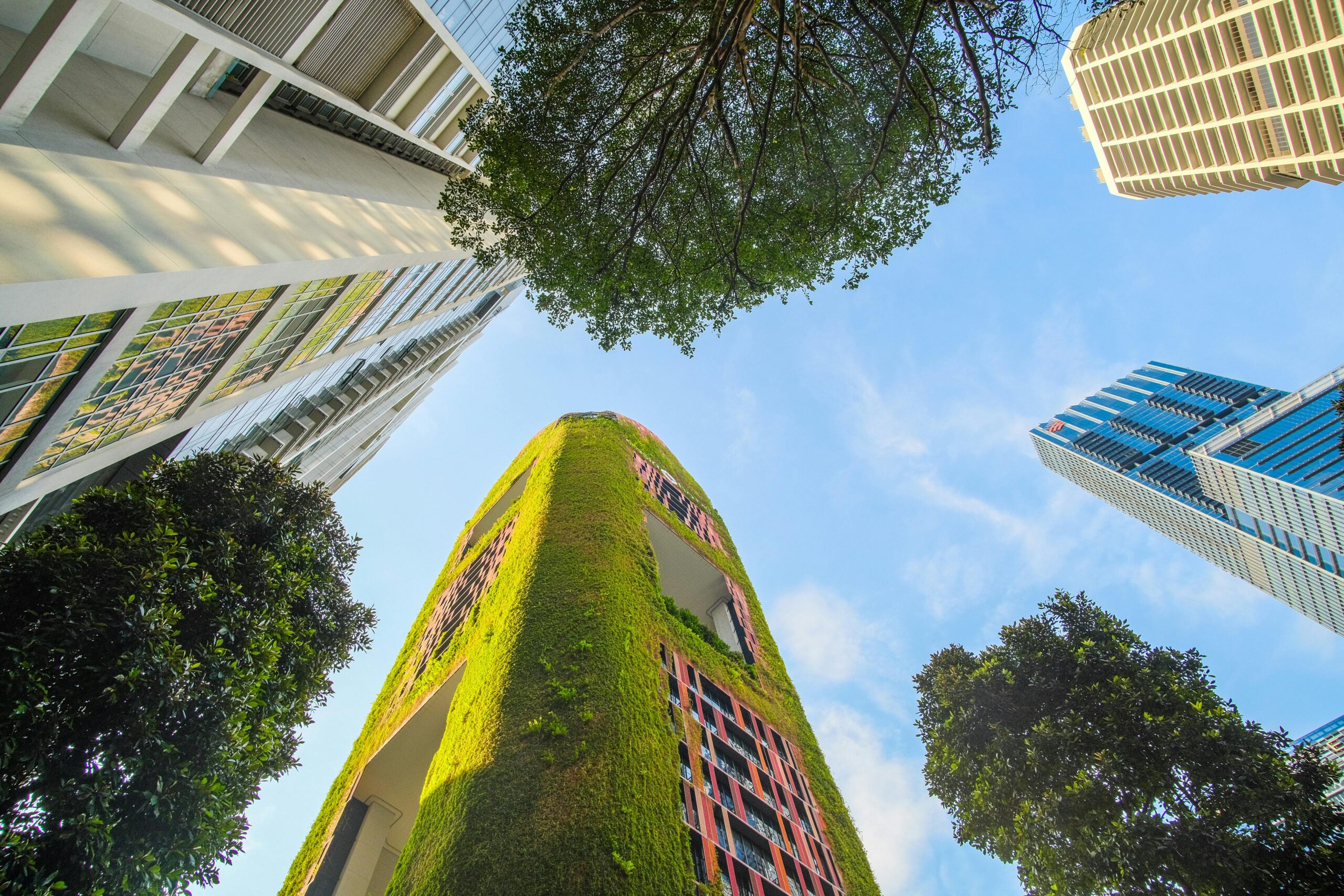
While green roofs address horizontal surfaces, vertical forests tackle the vast expanses of building facades. This architectural innovation integrates trees, shrubs, and plants directly into tower structures, creating vertical ecosystems that rise hundreds of feet into the air. Milan’s Bosco Verticale, completed in 2014, pioneered this approach with residential towers hosting over 900 trees and 20,000 plants.
Vertical forest design presents unique engineering challenges. Each planting location must support substantial weight while providing adequate soil volume, irrigation, and drainage. Wind forces at height create additional stress on plants and support structures. Despite these complexities, architects and engineers have developed robust systems that enable trees to thrive dozens of stories above ground.
How Vertical Gardens Function at Height
The structural framework supporting vertical forests integrates reinforced concrete balconies or steel armatures capable of bearing significant weight. Soil depth varies based on plant species, with trees requiring containers several feet deep. Automated irrigation systems deliver water and nutrients throughout the structure, while drainage systems prevent waterlogging and structural damage.
Plant selection follows rigorous criteria considering wind tolerance, root system characteristics, and maintenance requirements. Species must withstand greater temperature fluctuations and wind exposure compared to ground-level conditions. Arborists and botanists collaborate with architects to identify suitable candidates, often conducting years of testing before finalizing plant palettes.
Environmental Benefits Transforming Urban Ecosystems 🌍
The environmental advantages of green roofs and vertical forests extend far beyond aesthetics. These living systems actively combat urban heat island effects, where cities experience significantly higher temperatures than surrounding rural areas. Vegetation absorbs solar radiation and releases moisture through evapotranspiration, cooling ambient air temperatures by several degrees.
Air quality improvements represent another critical benefit. Plants naturally filter airborne pollutants, trapping particulate matter and absorbing harmful gases like carbon dioxide, nitrogen oxides, and sulfur dioxide. A single vertical forest can produce oxygen equivalent to several acres of woodland while sequestering substantial carbon dioxide annually.
Stormwater Management and Flood Prevention
Urban flooding increasingly threatens cities as climate change intensifies rainfall events. Traditional infrastructure struggles to handle sudden deluges, overwhelming sewer systems and causing property damage. Green roofs absorb and retain significant precipitation, releasing water gradually through evaporation and controlled drainage.
Studies demonstrate that extensive green roofs retain 40-80% of annual rainfall, with retention rates varying based on system depth and local climate. This capacity reduces stormwater runoff volumes, decreasing flood risk and minimizing pollutants washing into waterways. Cities implementing widespread green roof programs report measurable improvements in stormwater management outcomes.
Economic Advantages Driving Adoption
Despite higher initial installation costs, green roofs and vertical forests deliver substantial economic returns over their lifespan. Energy savings constitute a primary financial benefit. Vegetation provides natural insulation, reducing heating costs in winter and cooling expenses in summer. Building owners report energy consumption reductions of 25-40% following green roof installation.
Extended roof membrane lifespan offers another economic advantage. Traditional roofing materials deteriorate under ultraviolet radiation and temperature extremes. Green roofs shield membranes from these stresses, potentially doubling functional lifespan from 20-25 years to 40-50 years. This longevity reduces replacement costs and associated disruptions.
Property Values and Market Competitiveness
Real estate markets increasingly recognize the value of green infrastructure. Buildings featuring green roofs or vertical forests command premium rents and sale prices, attracting environmentally conscious tenants and buyers. The aesthetic appeal and access to green space create competitive advantages in crowded urban markets.
Commercial properties particularly benefit from enhanced corporate image and employee wellness. Companies occupying green buildings report improved employee satisfaction, productivity, and recruitment outcomes. These intangible benefits translate into measurable economic value for property owners and tenants alike.
🏙️ Cities Leading the Green Infrastructure Movement
Several cities have emerged as pioneers in green roof and vertical forest implementation, establishing policies and programs that accelerate adoption. Singapore’s commitment to becoming a “city in a garden” has resulted in extensive requirements for vegetated buildings. The city-state mandates replacement of developed green space through rooftop and vertical gardens, creating a net-positive environmental impact.
Toronto leads North American cities with comprehensive green roof bylaws requiring vegetation on new commercial and residential buildings exceeding certain sizes. Since implementation in 2009, the city has added hundreds of thousands of square feet of green roof space, with ongoing expansion transforming the urban landscape.
European Innovation and Implementation
Copenhagen aims for carbon neutrality by 2025, with green roofs playing a central role in this ambitious goal. The city requires green roofs on all new buildings with roof slopes below 30 degrees, creating extensive vegetation coverage across the urban environment. These mandates complement broader sustainability initiatives addressing transportation, energy, and waste management.
Paris launched an ambitious program to create 100 hectares of green roofs and walls by 2020, offering subsidies and streamlined approval processes for building owners. The initiative has transformed iconic Parisian buildings, blending historic architecture with contemporary environmental innovation.
Biodiversity and Urban Wildlife Corridors
Green roofs and vertical forests create crucial habitat for urban wildlife, particularly for species displaced by development. Birds, insects, and small mammals utilize vegetated buildings as feeding grounds, nesting sites, and migration waypoints. These elevated ecosystems establish connectivity between fragmented green spaces, enabling species movement across otherwise inhospitable urban terrain.
Pollinator populations particularly benefit from widespread green infrastructure. Bees, butterflies, and other pollinators face declining populations due to habitat loss and pesticide exposure. Urban green spaces provide pesticide-free environments with diverse flowering plants, supporting pollinator health and reproduction.
Creating Balanced Urban Ecosystems
Thoughtful plant selection enhances biodiversity benefits. Native species support local wildlife populations adapted to regional conditions, while diverse planting schemes provide resources across seasons. Designers increasingly incorporate features like bird houses, insect hotels, and varied vegetation heights to maximize habitat value.
Monitoring programs in cities with established green infrastructure document surprising biodiversity gains. Rare species previously absent from urban areas colonize vertical forests and green roofs, demonstrating these structures’ effectiveness as habitat. These ecological successes inform ongoing refinements to design and maintenance practices.
🌱 Challenges and Solutions in Implementation
Despite compelling benefits, green roof and vertical forest implementation faces obstacles. High upfront costs deter some building owners, particularly in markets without subsidies or mandates. Installation expenses typically exceed conventional roofing by $15-25 per square foot, representing substantial initial investment for large buildings.
Maintenance requirements present ongoing concerns. While extensive green roofs need minimal upkeep, intensive systems and vertical forests demand regular attention from specialized personnel. Irrigation system maintenance, plant health monitoring, and seasonal care require expertise and consistent commitment.
Overcoming Technical and Regulatory Barriers
Building codes and regulations sometimes lag behind green infrastructure innovation, creating approval challenges. Architects and developers encounter uncertainty regarding structural requirements, fire safety, and liability issues. Progressive jurisdictions are updating codes to address these concerns, providing clear frameworks for green building implementation.
Technical innovations continue reducing barriers. Modular green roof systems simplify installation and reduce costs. Drought-tolerant plant selections minimize irrigation needs. Remote monitoring technologies enable efficient maintenance by alerting personnel only when intervention is necessary.
The Future of Urban Green Infrastructure
Emerging technologies promise to enhance green roof and vertical forest capabilities. Smart systems incorporating sensors and artificial intelligence optimize irrigation, fertilization, and maintenance scheduling. These innovations reduce resource consumption while improving plant health outcomes.
Integration with renewable energy represents another frontier. Solar panels installed above green roofs benefit from cooling effects that improve energy generation efficiency. Vertical forests can incorporate wind energy capture, creating buildings that actively generate power while supporting ecosystems.
Expanding Applications and Innovations 🚀
Urban agriculture integration transforms green roofs into productive landscapes. Rooftop farms supply fresh produce to building occupants and local markets, reducing food miles and strengthening community food security. Commercial viability improves as hydroponics and aquaponics systems increase yields in limited spaces.
Climate adaptation strategies increasingly rely on green infrastructure. As extreme weather events intensify, vegetated buildings provide resilience against heat waves, floods, and storms. Cities incorporating green roofs and vertical forests into climate action plans demonstrate foresight in protecting residents and infrastructure.
🌟 Bringing Nature Back to Urban Life
The psychological and social benefits of urban greenery are profound. Access to nature reduces stress, improves mental health, and strengthens community bonds. Green roofs and vertical forests make these benefits accessible to residents who might otherwise lack meaningful nature contact.
Children growing up with visible, accessible urban nature develop stronger environmental awareness and stewardship values. Educational programs utilizing green infrastructure teach ecology, botany, and sustainability, fostering environmental literacy in future generations.
The rise of green roofs and vertical forests represents more than architectural trends—it signals a fundamental shift in how humanity relates to urban environments. These innovations demonstrate that cities need not exist in opposition to nature but can integrate ecological systems that benefit people and planet alike. As more cities embrace living infrastructure, we move toward truly sustainable urban futures where concrete and greenery coexist in productive harmony.
The transformation of urban landscapes through green infrastructure offers hope amid environmental challenges. Each building converted into a living ecosystem contributes to cleaner air, cooler temperatures, enhanced biodiversity, and improved quality of life. The continued expansion of green roofs and vertical forests proves that innovative design can address pressing environmental concerns while creating more beautiful, livable cities for everyone.
