
Anúncios
# HTML Article: GPS and Maps Application

GPS and maps applications have revolutionized how we navigate the world, transforming smartphones into powerful navigation tools for daily commutes and adventures.
Anúncios
Remember when getting lost meant pulling over to unfold a massive paper map or stopping at gas stations for directions? Those days feel like ancient history now. Modern GPS and maps applications have become essential companions for millions of travelers, commuters, and explorers worldwide.


Whether you’re navigating through unfamiliar city streets, planning a cross-country road trip, or simply trying to find the nearest coffee shop, these digital navigation tools offer unprecedented convenience. They’ve evolved far beyond simple direction-giving, incorporating real-time traffic updates, community-driven alerts, and intelligent route optimization that adapts to changing conditions.
Anúncios
🗺️ The Evolution of Digital Navigation
GPS technology has come a long way since its military origins in the 1970s. What started as a defense system accessible only to the U.S. military eventually opened to civilian use in the 1980s. However, it wasn’t until smartphones became ubiquitous that GPS truly transformed everyday life.
Early GPS devices were bulky, expensive standalone units that required frequent manual updates. Today’s applications leverage constant internet connectivity, cloud computing, and crowdsourced data to deliver experiences that would have seemed like science fiction just two decades ago.
The shift from static navigation to dynamic, community-powered systems represents a fundamental change in how we approach travel. Modern apps don’t just show you a route—they learn from millions of users simultaneously to guide you through the fastest, safest, and most efficient paths possible.
🚗 Key Features That Define Modern Navigation Apps
Today’s GPS and maps applications offer an impressive array of features designed to make navigation seamless and stress-free. Understanding these capabilities helps you maximize the value of these powerful tools.
Real-Time Traffic Intelligence
Perhaps the most valuable feature of modern navigation apps is their ability to monitor traffic conditions in real-time. By aggregating data from millions of users, these platforms identify slowdowns, accidents, and congestion before you encounter them. The system automatically recalculates your route to avoid delays, potentially saving hours over the course of a year.
This dynamic routing doesn’t just rely on historical patterns—it responds to current conditions. If an accident occurs ahead, you’ll receive an alert within minutes, along with alternative routes that circumvent the problem entirely.
Community-Driven Alerts and Reporting
The social dimension of modern navigation apps sets them apart from traditional GPS systems. Users can report hazards, police presence, road closures, objects on the road, and even cheap gas prices. This crowdsourced information creates a collective awareness that benefits everyone in the network.
The beauty of this system lies in its reciprocity. When you report a hazard, thousands of other drivers benefit from your observation. Similarly, you receive warnings from fellow travelers who’ve encountered issues ahead, creating a community safety net that extends across entire regions.
Voice-Guided Navigation
Hands-free operation through voice commands and audio directions ensures you can keep your eyes on the road while navigating. Modern voice recognition has become remarkably accurate, understanding natural language requests like “find coffee near me” or “navigate home avoiding highways.”
The audio guidance itself has improved dramatically, with clear pronunciations of street names, advance warnings for complex maneuvers, and contextual information about your destination. Some apps even adjust volume automatically based on ambient noise levels.

📍 Beyond Basic Navigation: Extended Capabilities
Modern GPS applications have expanded far beyond their original purpose, incorporating features that address various aspects of travel and exploration.
Offline Maps for Remote Adventures
Connectivity isn’t always guaranteed, especially when exploring rural areas or traveling internationally. Many navigation apps now offer offline map downloads, allowing you to access directions without an internet connection. This feature proves invaluable for hiking trails, remote camping trips, or international travel where data roaming costs are prohibitive.
The offline functionality typically includes basic navigation, saved locations, and search capabilities, though real-time traffic and community alerts require connectivity to function properly.
Multi-Stop Route Planning
Planning trips with multiple destinations becomes effortless with advanced route optimization. Whether you’re running errands across town or planning a multi-city road trip, these apps can sequence your stops for maximum efficiency, minimizing backtracking and total travel time.
Business professionals particularly appreciate this feature for organizing client visits, while families find it useful for coordinating activities during vacation planning.
Parking Assistance and Availability
Finding parking in crowded urban areas can be more stressful than the drive itself. Some navigation apps now integrate parking availability information, showing nearby garages, street parking options, and even real-time availability at certain locations. The system can remember where you parked and guide you back to your vehicle in sprawling lots or unfamiliar areas.
🌍 Impact on Daily Life and Society
The widespread adoption of GPS and maps applications has created ripple effects throughout society, changing behaviors and enabling new possibilities.
Reduced Anxiety and Increased Confidence
Navigation anxiety—the stress of getting lost or missing turns—has decreased significantly for those using these apps regularly. People venture into unfamiliar areas with greater confidence, knowing they have reliable guidance available instantly. This psychological shift has expanded people’s willingness to explore new places and try new experiences.
For individuals with directional challenges or anxiety disorders, these tools provide genuine life improvements, reducing stress during necessary travel and increasing independence.
Economic and Environmental Considerations
Efficient routing saves fuel by reducing unnecessary mileage and time spent idling in traffic. While the individual savings might seem modest, the cumulative effect across millions of users represents substantial reductions in fuel consumption and emissions. Some estimates suggest that optimal routing through navigation apps reduces urban driving distance by 5-10% on average.
The economic impact extends beyond fuel savings. Reduced travel time means increased productivity, whether that’s more time at work, with family, or enjoying leisure activities. Delivery services and logistics companies have experienced dramatic efficiency improvements through GPS optimization.
Emergency Response and Safety
GPS technology plays a crucial role in emergency situations. First responders use navigation apps to reach incidents quickly, shaving precious minutes off response times. Individuals can share their real-time location with friends or family members, providing peace of mind and enabling quick assistance if needed.
The hazard reporting features also contribute to road safety by alerting drivers to dangerous conditions, reducing the likelihood of secondary accidents and helping authorities respond to problems more quickly.
📱 Choosing the Right Navigation App for Your Needs
While many navigation apps share core features, different platforms emphasize various aspects that might align better with your specific requirements.
Consider Your Primary Use Cases
Daily commuters benefit most from apps with superior traffic prediction and alternative route suggestions. If you primarily drive in urban environments with heavy congestion, prioritize apps with the largest user base in your area, as they’ll have the most accurate real-time traffic data.
Road trip enthusiasts might prefer apps with better points of interest databases, scenic route options, and detailed information about amenities along the way. Hikers and outdoor adventurers should prioritize offline capabilities and topographical map options.
Privacy and Data Considerations
Navigation apps collect substantial data about your movements and habits. Different platforms have varying privacy policies regarding data collection, storage, and sharing. Some apps anonymize location data before using it for traffic analysis, while others maintain more detailed profiles.
Understanding these policies helps you make informed choices about which apps align with your privacy preferences. Many apps allow you to adjust privacy settings, limiting data collection while potentially reducing some functionality.
Integration with Other Services
Consider how well navigation apps integrate with other services you use regularly. Some platforms connect seamlessly with calendar apps, automatically extracting addresses from appointments and offering to navigate when it’s time to leave. Others integrate with music streaming services, smart home devices, or vehicle infotainment systems.
These integrations can significantly enhance convenience, creating a more cohesive digital ecosystem that anticipates your needs.
🔮 The Future of Navigation Technology
As impressive as current GPS and maps applications are, emerging technologies promise even more transformative changes ahead.
Augmented Reality Navigation
Augmented reality (AR) overlays digital information onto the real world through your smartphone camera. Early implementations are already appearing in navigation apps, showing directional arrows floating over actual streets as you hold up your phone. This technology eliminates confusion about which direction to turn, particularly in complex urban environments with multiple intersecting streets.
Future developments will extend AR navigation to windshield displays in vehicles, projecting turn instructions and hazard warnings directly onto the glass where drivers can see them without looking away from the road.
Artificial Intelligence and Predictive Routing
Machine learning algorithms are becoming increasingly sophisticated at predicting your travel patterns and needs. Future apps might automatically suggest leaving early for appointments based on predicted traffic patterns, recommend stopping for gas when you’re running low and approaching areas with better prices, or suggest alternate routes that pass by locations relevant to your errands.
This predictive intelligence will make navigation even more proactive, anticipating problems and offering solutions before you even realize you need them.
Integration with Autonomous Vehicles
As self-driving vehicles become reality, navigation apps will evolve into comprehensive mobility platforms. Rather than just providing directions, they’ll coordinate with autonomous taxi services, public transportation, and personal vehicles to optimize entire journeys across multiple modes of transport.
The distinction between navigation apps and transportation services will blur, with platforms offering end-to-end journey planning and execution.
💡 Tips for Maximizing Your Navigation App Experience
Getting the most from your GPS and maps application involves more than just entering a destination and following directions.
Keep Your App Updated
Regular updates bring improved maps, enhanced features, and important bug fixes. Map data changes constantly as new roads open, businesses relocate, and traffic patterns shift. Keeping your app current ensures you’re working with the most accurate information available.
Most apps update automatically when connected to Wi-Fi, but it’s worth checking occasionally to ensure you’re running the latest version.
Customize Settings for Your Preferences
Spend a few minutes exploring your app’s settings to tailor the experience to your needs. You can typically adjust preferences for route types (fastest, shortest, or avoiding tolls/highways), measurement units, voice guidance volume and timing, and map display options.
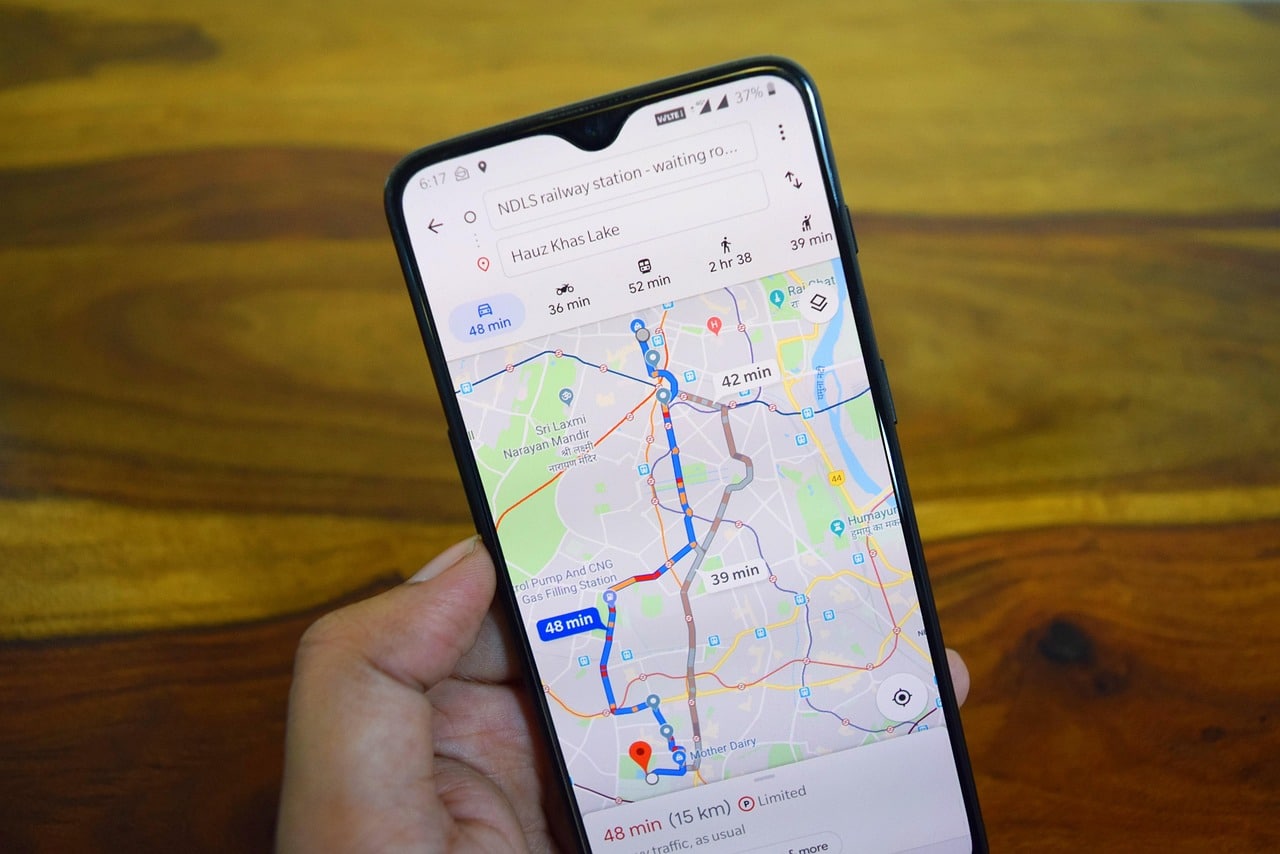
Many apps offer different vehicle types—car, motorcycle, bicycle, or pedestrian—each with appropriate routing that respects vehicle restrictions and capabilities.
Contribute to the Community
When you encounter hazards, traffic, or map errors, take a moment to report them. Your contributions make the system better for everyone while improving the accuracy of information you’ll receive in the future. Most apps make reporting quick and easy with voice commands or simple taps.
Download Offline Maps for Important Areas
Even if you don’t regularly travel without connectivity, downloading offline maps for your home region and frequently visited areas provides a valuable backup. If your data connection fails or you travel to areas with poor coverage, you’ll still have basic navigation capabilities.
🛣️ Transforming How We Experience the World
GPS and maps applications represent one of the most practical and universally beneficial applications of smartphone technology. They’ve democratized navigation, making sophisticated wayfinding capabilities available to anyone with a mobile device.
The transformation extends beyond mere convenience. These apps have fundamentally changed our relationship with physical space and geography. We navigate with confidence through unfamiliar territories, discover new places more easily, and waste less time lost or stuck in traffic.
The social connectivity embedded in modern navigation platforms creates collective intelligence that benefits entire communities. Every user simultaneously consumes and contributes information, creating a positive feedback loop that continuously improves the system.
As technology continues advancing, we can expect navigation apps to become even more integrated into our daily lives, anticipating our needs and seamlessly facilitating movement through the world. The journey from paper maps to current GPS applications has been remarkable, and the road ahead promises even more exciting developments.
Whether you’re a daily commuter, weekend explorer, or occasional traveler, embracing these powerful tools enhances your ability to navigate confidently and efficiently. The technology continues evolving, but the core benefit remains constant: helping you get where you need to go with less stress, greater efficiency, and more enjoyment of the journey itself. 🌟
