

Anúncios
Running out of storage space on your smartphone can be frustrating, especially when you need to capture important moments or download essential apps.



Modern smartphones pack incredible computing power into compact devices, but their storage capacity often becomes a bottleneck. Photos, videos, apps, and cached data accumulate quickly, leaving users scrambling for solutions.
Anúncios
Thankfully, specialized applications designed to optimize and expand storage capabilities have emerged as powerful allies in this digital battle.
These storage management apps work intelligently behind the scenes, identifying redundant files, clearing temporary data, and organizing your content efficiently.
Anúncios
Whether you’re an Android enthusiast or an iPhone devotee, understanding how these tools function can transform your mobile experience and breathe new life into your device.
📱 Understanding Storage Limitations on Mobile Devices
Every smartphone comes with a finite amount of internal storage, ranging from 32GB in budget models to 1TB in premium flagship devices. However, the actual available space is considerably less than advertised. The operating system, pre-installed applications, and system files consume a significant portion before you even start using your phone.
iOS devices typically reserve around 10-15GB for system files, while Android phones may use 8-20GB depending on the manufacturer’s customizations. This hidden consumption explains why a 64GB phone might show only 50GB of available storage when brand new.
As you use your device, storage fills up through multiple channels. High-resolution photos and 4K videos are major culprits, with modern smartphone cameras producing files that can exceed 5MB per photo and hundreds of megabytes per minute of video. Streaming services download content for offline viewing, social media apps cache images and videos, and messaging platforms store every shared file and media attachment.
🔍 How Storage Optimization Apps Actually Work
Storage enhancement applications employ sophisticated algorithms to identify unnecessary files without compromising your important data. These tools scan your entire device systematically, categorizing files by type, size, age, and frequency of use.
The cleaning process focuses on several key areas. Cache files represent temporary data that apps store to speed up performance, but these accumulate over time and can consume gigabytes of space. Duplicate photos and videos often pile up when using multiple photo apps or cloud backup services. Residual files from uninstalled apps linger in storage, occupying space even after you’ve removed the application.
Advanced storage apps utilize machine learning to understand your usage patterns. They identify which files you haven’t accessed in months, suggest safe deletions, and even compress large files without noticeable quality loss. Some applications provide cloud integration, automatically uploading photos and videos to secure online storage while removing local copies.
✨ Key Features to Look for in Storage Apps
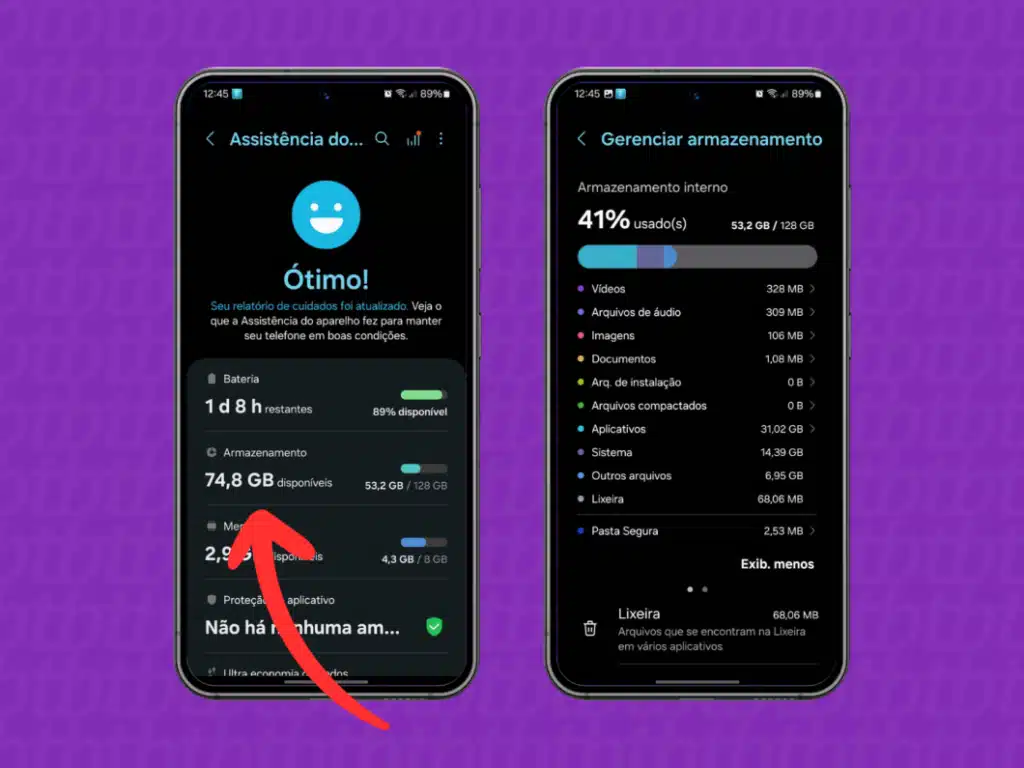
When selecting a storage management application, certain features distinguish exceptional tools from mediocre ones. A comprehensive file analyzer provides visual representations of storage usage, breaking down consumption by categories like apps, media, documents, and system files.
Smart cleaning capabilities should offer customization rather than aggressive automatic deletion. The best apps present recommendations and allow you to review items before removal, ensuring you never accidentally delete important memories or documents.
Duplicate detection technology has become increasingly sophisticated. Modern apps don’t just compare file names—they analyze actual content, identifying similar photos with different filenames or slightly edited versions of the same image.
- Automatic scheduled cleaning that runs in the background
- Large file identification to quickly spot storage hogs
- App management showing which applications consume most space
- Media compression without significant quality degradation
- Cloud integration for seamless backup and deletion
- Battery-friendly operation that doesn’t drain power
- Privacy protection with no unauthorized data collection
🛡️ Safety Considerations When Using Cleaner Apps
While storage optimization apps offer tremendous benefits, choosing reputable solutions is paramount. The app marketplace contains both legitimate tools and potentially harmful applications disguised as cleaners.
Always download storage apps from official sources like Google Play Store or Apple App Store. These platforms implement security screening processes that filter out malicious software. Read user reviews carefully, paying attention to recent feedback rather than just overall ratings.
Check the permissions requested by any storage app before installation. Legitimate cleaners need access to your files and storage, but they shouldn’t require permissions for contacts, call logs, or text messages unless they specifically clean those areas. Be wary of apps demanding excessive permissions unrelated to their stated function.
Premium versions often provide enhanced features without advertisements, but free versions can be equally effective. However, some free apps monetize through aggressive advertising or by collecting anonymized usage data. Review privacy policies to understand how your information will be handled.

📊 Comparing Storage Management Strategies
Different approaches to storage management suit different users and situations. Understanding these strategies helps you choose the right combination for your needs.
| Strategy | Advantages | Best For |
|---|---|---|
| Automated Cleaning Apps | Effortless maintenance, scheduled optimization, comprehensive scanning | Users who want hands-off management |
| Manual File Management | Complete control, no third-party access, no app installation needed | Tech-savvy users with time to manage files |
| Cloud Storage Integration | Virtually unlimited space, cross-device access, automatic backup | Users with reliable internet connections |
| External Storage Expansion | Physical storage increase, one-time cost, no internet required | Android users with expandable storage options |
🎯 Maximizing Results from Storage Apps
Installing a storage optimization app is just the beginning. To achieve maximum benefit, establish regular maintenance routines that prevent storage issues before they become critical.
Run comprehensive scans at least once weekly, especially if you frequently capture photos and videos or download large files. Many apps allow scheduling automatic cleanings during nighttime hours when you’re not actively using your device.
Review the suggested deletions rather than blindly accepting all recommendations. Storage apps occasionally flag files as unnecessary when they might have personal significance or practical value. Take a moment to understand what will be deleted, particularly when dealing with downloaded files or older photos.
Combine app-based cleaning with manual habits. Unsubscribe from email newsletters you don’t read to prevent attachment accumulation. Delete apps you haven’t used in months—you can always reinstall them later if needed. Clear messaging app media occasionally, as conversations can accumulate thousands of shared images.
💡 Advanced Techniques for Power Users
Beyond basic cleaning functions, storage management apps often include advanced features that dramatically improve device performance. File compression algorithms can reduce document and media sizes by 50-70% without perceptible quality loss.
App hibernation features identify rarely-used applications and place them in a suspended state, clearing their cache and temporary files while preserving the app itself. This proves particularly useful for seasonal apps or tools you need occasionally but not daily.
Storage analysis over time provides insights into consumption patterns. Track which app categories grow fastest on your device, revealing whether photos, videos, apps, or documents represent your primary storage challenge. This data-driven approach enables targeted solutions rather than generic cleaning.
Some premium storage apps offer secure deletion features for sensitive files, overwriting data multiple times to prevent recovery. This proves essential when selling or recycling old devices, ensuring personal information doesn’t fall into unauthorized hands.
🌟 The Future of Mobile Storage Management
Artificial intelligence is revolutionizing how storage optimization apps function. Next-generation tools predict storage needs based on your usage patterns, proactively managing space before problems arise. They learn which photos you treasure versus mundane screenshots, which apps you truly need versus ones downloaded and forgotten.
Cloud integration continues deepening, with storage apps seamlessly moving files between local and cloud storage based on access frequency. Files you haven’t opened in weeks automatically upload to the cloud, freeing local space while remaining instantly accessible when needed.
Cross-device optimization represents another frontier. Future storage apps will manage space across all your devices—phones, tablets, computers—presenting unified storage management that optimizes the entire ecosystem rather than individual devices.
🚀 Practical Tips for Long-Term Storage Health
Preventing storage problems proves easier than constantly fighting to reclaim space. Adopt these practices to maintain healthy storage levels continuously.
Enable automatic cloud backup for photos and videos, then configure your storage app to remove local copies after successful upload. This creates a seamless workflow where memories are preserved while your device stays uncluttered.
Stream media content rather than downloading whenever possible. Streaming services like Spotify, Netflix, and YouTube consume minimal space compared to locally stored libraries. Reserve downloads for situations where internet access will be limited.
Regularly audit installed applications. Most users have dozens of apps they installed once and never opened again. A monthly review identifying and removing unused apps prevents gradual storage erosion.
Adjust camera settings to balance quality and file size. Unless you’re a professional photographer, the highest resolution isn’t always necessary. Modern smartphones offer multiple quality settings that significantly reduce file sizes while maintaining excellent visual results for everyday purposes.
🔧 Troubleshooting Common Storage Issues
Even with optimization apps, users occasionally encounter persistent storage problems. Understanding these situations helps resolve them effectively.
If your device shows storage is full despite using cleaning apps, system logs or cached data might be the culprit. Restarting your device clears temporary system files that storage apps cannot access. On iPhones, offloading unused apps through settings recovers space while preserving app data.
Some apps accumulate enormous caches that standard cleaners miss. Social media and streaming apps are notorious for this. Manually clearing cache through your device’s app settings section can recover gigabytes instantly.
Operating system updates sometimes require substantial temporary space. If you’re consistently at capacity, consider manually clearing space before major updates to prevent installation failures.
✅ Making the Right Choice for Your Device
Selecting the ideal storage management app depends on your specific device, usage patterns, and personal preferences. Android users enjoy more options due to the platform’s openness, while iOS users work within Apple’s more controlled ecosystem.
Test multiple apps before committing to one. Most quality storage managers offer free versions or trial periods. Evaluate how each handles your specific storage situation, how intuitive the interface feels, and whether the recommendations align with your expectations.
Consider your technical comfort level. Some apps provide detailed technical information and granular control, while others prioritize simplicity with one-tap cleaning. Neither approach is inherently superior—the best choice matches your preferences.
Storage optimization apps have evolved from simple cache cleaners into sophisticated tools that fundamentally improve mobile device usability. By intelligently managing the limited space available on smartphones, these applications extend device lifespan, enhance performance, and eliminate the constant anxiety of running out of room for new memories and experiences. Whether you choose a comprehensive cleaning suite or a focused specialized tool, implementing regular storage management transforms your relationship with your device, ensuring it remains a helpful companion rather than a source of frustration.
