
Anúncios
Inclusive architecture transforms how we experience spaces, ensuring everyone—regardless of ability, age, or background—can navigate and enjoy the built environment with dignity and independence.

🏗️ Understanding the Foundation of Inclusive Design
The concept of designing for all extends far beyond simply meeting minimum accessibility requirements. It represents a fundamental shift in how architects, designers, and planners approach the creation of spaces. Universal design principles acknowledge that human diversity is not an exception but the norm, and our built environment should reflect this reality.
Anúncios
Inclusive architecture considers the full spectrum of human abilities and characteristics. This includes people with physical disabilities, sensory impairments, cognitive differences, temporary limitations, and age-related changes. When we design with this comprehensive perspective, we create environments that benefit everyone—parents with strollers, travelers with luggage, delivery workers, and countless others who encounter barriers in poorly designed spaces.
The business case for inclusive design is compelling. Buildings and spaces that accommodate diverse users attract wider audiences, reduce legal risks, and demonstrate corporate social responsibility. Moreover, accessible features often improve functionality for all users, making spaces more intuitive and comfortable.
Anúncios
The Seven Principles That Guide Inclusive Architecture
The framework of universal design rests on seven core principles developed at North Carolina State University. These principles provide a roadmap for creating truly accessible environments that serve everyone effectively.
Equitable Use: Dignity for Every User
Spaces should be useful and marketable to people with diverse abilities. This means avoiding segregated or stigmatizing solutions. Rather than creating separate entrances for wheelchair users, the main entrance should accommodate everyone. Features like automatic doors, gradual ramps integrated into landscaping, and wide pathways benefit all users while maintaining aesthetic appeal.
Flexibility in Use: Accommodating Individual Preferences
Design should accommodate a wide range of individual preferences and abilities. Adjustable-height workstations, multiple lighting options, and varied seating arrangements allow users to customize their experience. This flexibility extends to technology integration, where touchscreens, voice controls, and physical buttons provide multiple interaction methods.
Simple and Intuitive Use
Understanding how to use a space shouldn’t require extensive experience, knowledge, or language skills. Clear wayfinding, logical layouts, and consistent design patterns help users navigate confidently. Visual cues, tactile indicators, and logical spatial organization reduce cognitive load and make spaces more welcoming.
🚪 Practical Elements of Accessible Architecture
Translating inclusive design principles into physical reality requires attention to specific architectural elements. Each component plays a crucial role in creating barrier-free environments.
Entrance Design and Circulation Paths
First impressions matter, and entrances set the tone for accessibility. Level thresholds eliminate tripping hazards and allow smooth transitions for wheeled mobility devices. When elevation changes are necessary, ramps with appropriate gradients (typically 1:12 or gentler) provide dignified access. Stairs should include handrails on both sides, with extensions beyond the top and bottom steps.
Circulation paths throughout buildings must maintain adequate width—typically 36 inches minimum for single-direction traffic and 60 inches for passing. These dimensions accommodate wheelchairs, walkers, and service animals while allowing comfortable navigation. Surface materials should be firm, stable, and slip-resistant, with smooth transitions between different flooring types.
Vertical Circulation: Elevators and Stairs
Elevators are essential accessibility features in multi-story buildings. Beyond basic functionality, inclusive elevators include features like adequate cab size (minimum 68 inches deep), controls at accessible heights (typically 48 inches maximum), audio announcements, visual floor indicators, and sufficient door-open time for users with slower mobility.
Stairway design impacts safety and usability for many people. Consistent riser heights, adequate tread depths, contrasting nosing strips, and continuous handrails on both sides create safer vertical circulation. Tactile warning surfaces at stairway approaches alert people with visual impairments to elevation changes.
🎨 Sensory Considerations in Design
Creating inclusive environments requires addressing how people perceive and process sensory information. Thoughtful sensory design reduces barriers for people with visual, hearing, or cognitive differences.
Visual Accessibility Beyond Basic Compliance
Color contrast plays a vital role in visual accessibility. Text, signage, and architectural features should maintain sufficient contrast ratios—typically 3:1 for large elements and 4.5:1 for smaller text. This benefits people with low vision, color blindness, or age-related vision changes. Strategic lighting enhances visibility without creating glare or harsh shadows that can disorient users.
Wayfinding systems should employ multiple modalities. Large, high-contrast text combined with pictograms communicates information effectively. Tactile maps, braille labels, and raised lettering provide alternative information channels. Consistent placement of signage at standardized heights (typically 60 inches to centerline) improves predictability.
Acoustic Design for Hearing Accessibility
Sound management creates more accessible and comfortable spaces. Excessive background noise interferes with hearing aids, cochlear implants, and general communication. Strategic use of sound-absorbing materials, spatial layout, and mechanical system design reduces ambient noise levels.
Assistive listening systems, including hearing loops, FM systems, and infrared systems, support people with hearing loss in public spaces. Visual alert systems complement audio announcements, ensuring critical information reaches everyone regardless of hearing ability.
💡 Technology Integration in Accessible Spaces
Modern technology offers unprecedented opportunities to enhance accessibility. Smart building systems, mobile applications, and assistive technologies work together to create more responsive environments.
Smart Building Features
Automated systems reduce physical barriers and provide greater independence. Automatic doors, adjustable lighting, and voice-activated controls benefit users with various abilities. Smart wayfinding applications provide personalized navigation assistance, while real-time occupancy data helps users avoid crowded spaces.
Building management systems can integrate accessibility features into centralized control platforms. This allows facility managers to monitor and maintain critical accessibility features like elevator function, automatic door operation, and emergency communication systems.
Mobile Applications Supporting Navigation
Smartphone applications increasingly support accessible navigation in complex environments. These tools provide turn-by-turn directions, identify accessible routes, and highlight amenities like accessible restrooms or quiet spaces. Indoor positioning systems enable precise navigation assistance within buildings.
🏢 Designing Specific Space Types
Different building types present unique accessibility challenges and opportunities. Tailoring inclusive design approaches to specific contexts ensures optimal functionality.
Residential Spaces: Homes for Life
Visitability standards ensure homes accommodate visitors with mobility limitations, while universal design creates residences that serve occupants throughout their lifespan. Key features include no-step entries, main-floor living spaces, wide doorways and hallways, accessible bathrooms with reinforced walls for grab bar installation, and adaptable kitchens with varied counter heights and accessible storage.
Workplace Environments
Inclusive workplaces recognize diverse work styles and abilities. Adjustable-height desks, varied seating options, quiet spaces for focused work, collaborative areas with acoustic management, accessible meeting rooms with assistive listening systems, and clear wayfinding all contribute to productive, welcoming work environments.
Public Buildings and Cultural Spaces
Museums, libraries, civic buildings, and entertainment venues serve diverse communities and must prioritize accessibility. Beyond basic code compliance, exceptional public spaces provide inclusive programming, multi-sensory exhibits, assistive technology lending programs, accessible seating with integrated companion spaces, and staff training in disability awareness and assistance.
🌍 Global Perspectives on Accessibility Standards
Accessibility regulations vary globally, but the fundamental goal remains consistent: ensuring equal access to the built environment. Understanding different approaches provides valuable insights for designers working internationally.
The Americans with Disabilities Act (ADA) in the United States establishes comprehensive accessibility standards for public accommodations and commercial facilities. European accessibility standards vary by country but increasingly align through EU directives. The United Kingdom’s Equality Act takes a broad approach to accessibility obligations.
International standards like ISO 21542 provide globally applicable guidelines for accessible building design. These standards facilitate knowledge sharing and raise baseline expectations worldwide. Progressive jurisdictions often exceed minimum requirements, establishing best practices that influence global design standards.
🔄 Retrofitting Existing Buildings
While designing new accessible buildings is challenging, improving existing structures presents additional complexity. Historic preservation concerns, structural limitations, and budget constraints require creative problem-solving.
Assessment and Prioritization
Accessibility audits identify barriers and opportunities in existing buildings. These assessments evaluate entrances, circulation paths, restrooms, vertical access, signage, and specialized spaces. Prioritizing improvements based on impact, feasibility, and cost creates realistic implementation roadmaps.
Creative Solutions for Constrained Spaces
Retrofitting often requires innovative approaches. Platform lifts provide vertical access where elevator installation is impractical. Portable ramps offer temporary solutions for occasional accessibility needs. Reconfiguring spaces to improve circulation may require relocating doors, removing non-structural walls, or adjusting fixtures.
👥 The Human-Centered Design Process
Creating truly inclusive architecture requires involving diverse users throughout the design process. This participatory approach reveals insights that designers might otherwise overlook.
User consultation should begin early in conceptual design and continue through implementation. People with lived experience of disability provide invaluable feedback on proposed solutions. Mock-ups and prototypes allow users to test designs before construction, identifying issues when changes remain relatively simple and inexpensive.
Post-occupancy evaluation completes the feedback loop. Observing how people actually use spaces and gathering user input after opening reveals successes and opportunities for improvement. This information informs future projects and facility modifications.
🎓 Education and Advocacy
Advancing inclusive architecture requires ongoing education for design professionals, clients, and the public. Architecture and design programs increasingly integrate universal design principles into curricula, but continuing education remains essential as best practices evolve.
Professional certifications like the Certified Professional in Accessibility Core Competencies (CPACC) provide standardized accessibility knowledge. Workshops, conferences, and online resources support ongoing professional development. Disability awareness training helps designers understand the diverse experiences of building users.
Client education is equally important. Many building owners and developers remain unaware of accessibility requirements or the benefits of exceeding minimum standards. Demonstrating the return on investment through increased usability, market appeal, and risk reduction builds support for inclusive design.
⚖️ Legal Compliance and Beyond
While meeting accessibility regulations is essential, exceptional inclusive design transcends minimum legal requirements. Compliance-focused approaches often produce technically adequate but uninspired solutions that feel like afterthoughts rather than integrated design elements.
The most successful accessible spaces seamlessly integrate inclusive features into overall design concepts. Ramps become landscape features, accessible routes follow natural circulation patterns, and assistive technologies blend into architectural aesthetics. This approach creates dignity and belonging rather than highlighting difference.
Understanding the spirit behind accessibility regulations rather than merely checking compliance boxes leads to better outcomes. Regulations establish minimum standards; designers should view them as starting points rather than destinations.
🌟 The Future of Inclusive Architecture
Emerging technologies and evolving understanding of human diversity continue reshaping accessible design. Artificial intelligence and machine learning enable more personalized accessibility features. Advanced materials and construction techniques create new possibilities for adaptable spaces.
Climate change considerations increasingly intersect with accessibility planning. Resilient design must ensure emergency egress, cooling centers, and disaster response accommodate all community members. Age-friendly cities initiatives recognize that accessible design supports aging populations while benefiting everyone.
The COVID-19 pandemic highlighted the importance of flexible, adaptable spaces. Touchless technologies, improved ventilation, and spatial modifications that began as public health measures often enhance accessibility. This convergence of health, safety, and accessibility concerns may drive broader adoption of inclusive design principles.
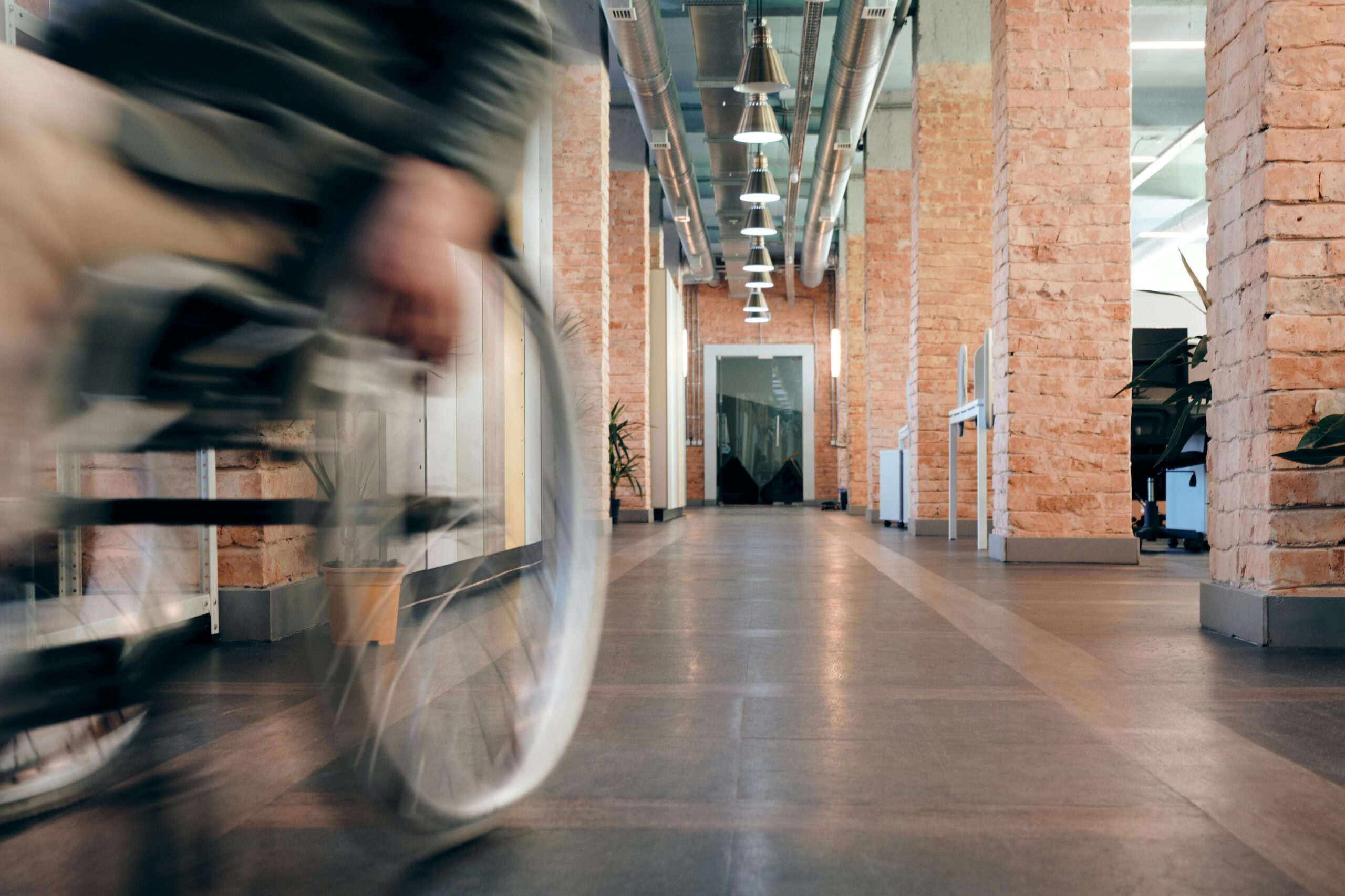
Creating Environments Where Everyone Belongs
Inclusive architecture represents more than technical compliance or moral obligation—it embodies recognition that diversity strengthens communities and enriches human experience. When we design spaces that welcome everyone, we create opportunities for connection, participation, and belonging that benefit society broadly.
The journey toward fully accessible built environments continues. Each thoughtfully designed entrance, carefully considered circulation path, and integrated assistive technology brings us closer to environments where ability differences don’t determine access to opportunities. Architects, designers, builders, and clients all play crucial roles in this ongoing transformation.
By embracing inclusive design principles, engaging diverse users in the design process, and viewing accessibility as an essential design criterion rather than a constraint, we create built environments that celebrate human diversity and enable full participation in community life. The goal isn’t simply compliance with regulations—it’s creating a world where everyone can navigate, experience, and contribute to the spaces around them with confidence and independence.
